What Changes When You Return
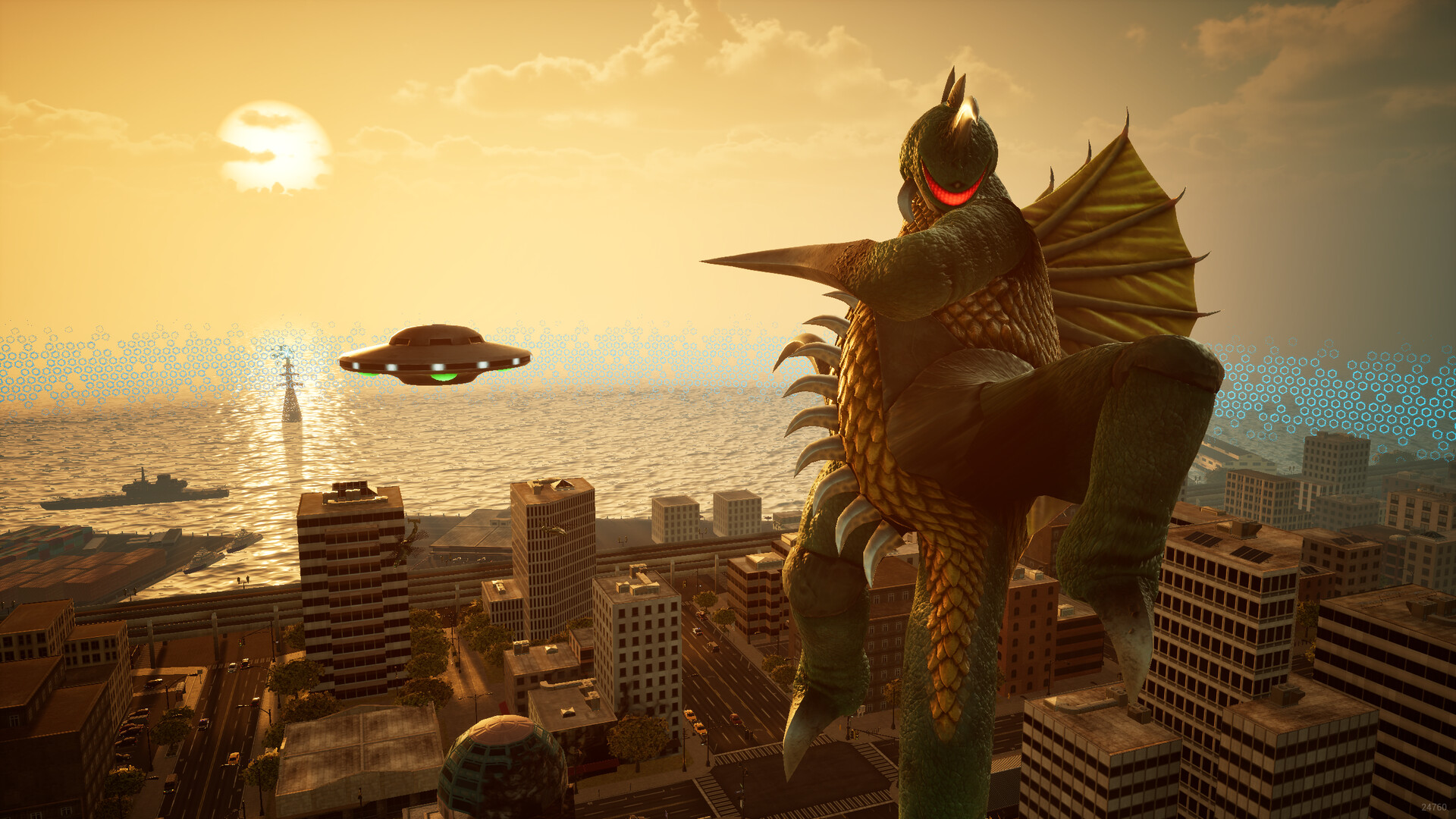
The remaster rebuilds the visuals, adds online multiplayer and replaces the original campaign unlock chain with G-Force Lab research, while retaining the core destructible-arena combat. Returning players will recognize the punches, throws, beams and building weapons, but permanent unlocks and monster progression now work differently.
Compare the Original Releases and Remaster
| Feature | GameCube Original | Original Xbox Release | Remaster |
|---|---|---|---|
| Platforms | GameCube; released in 2002. | Original Xbox; released in 2003. | Windows through Steam, PlayStation 5, Xbox Series X|S, Nintendo Switch and Nintendo Switch 2. |
| Roster | 11 monsters. | 12 monsters, including Kiryu. | 12 monsters; Kiryu is included and Showa Mechagodzilla replaces the 1993 design. |
| Permanent Unlocks | Fixed Adventure progression. | Fixed Adventure progression. | G-Force Lab Rumors and Research Projects offer more choice over unlock order. |
| Local Multiplayer | Up to 4 players. | Up to 4 players. | Up to 4 players. |
| Online Multiplayer | No online play. | No online play. | Online multiplayer and matchmaking are added. |
| Cheat Codes | Original GameCube codes are supported. | Uses a different code set from GameCube. | Original codes do not work; local roster access is available through Tournament Mode. |
| Achievements | No achievements. | No achievements. | Achievements are added; Steam lists 39. |
Rebuilt Visuals With Familiar Combat
The visual update rebuilds character models, textures, effects and interface elements in Unreal Engine 5. The underlying animation, collision and arena foundations come from the original game. You still fight through destructible environments using close-range attacks, throws, beams and buildings as weapons.
Familiar does not mean every interaction is identical. Pipeworks describes subtle changes to knockback arcs, how monsters push past each other and how the engine interprets targeting frames. Anguirus also has the inputs for his kicking and tail-based special throws swapped to match the attacks more naturally.
The familiar control layout carries over, including the original Punch-and-Kick grab input alongside a dedicated grab control. Original audio files are also reused, with most re-exported in stereo. A new introduction and recreated Vortaak cutscenes update the presentation, while the English-language original introduction remains available in the Gallery.
Modern Platforms and Performance
Atari advertises 4K performance for the rebuilt game. Launch reviewers reported a steady 60 frames per second for the Nintendo Switch 2 version in both docked and handheld play. That platform-specific report is more useful when choosing that edition than treating the general visual upgrade as an identical performance promise for every system.
Campaigns, Research and Monster Levels
Adventure Classic preserves the original arcade-ladder style, while Adventure Gauntlet and Adventure Challenge expand the solo offering. Gauntlet puts you against two opponents at once, with the survivor growing stronger and returning with another partner. Challenge gives each monster a distinct battle sequence with multiple endpoints.
Permanent unlocks now use Rumors and Research Projects in the G-Force Lab. Complete a Rumor's investigation condition to reveal its Project, select the Project as current research, and earn points toward its reward through matches. Rumor investigations are single-player objectives, even though local and online matches can contribute Research Points to an active Project.
Monster leveling also changes the solo experience: Rage Attacks unlock through levels in single-player, and harder Adventure variants have level requirements. Adventure Gauntlet opens at level 4 and Adventure Challenge at level 7. Returning players should check their monster's progression before expecting its entire kit and every Adventure option to be available.
Try the Full Roster in Local Custom Battles
- Enable Tournament Mode in Settings to make the full roster and stages available for local Custom Battles.
- Open a local Custom Battle to select monsters and stages you have not yet researched.
- Turn Tournament Mode off when you return to regular progression, because it disables normal Research and monster-level progression while active.
Tournament Mode provides temporary access rather than permanent unlocks. It does not carry unresearched fighters into regular Adventure progression or online play. Use it to try different monsters locally, then pursue the relevant G-Force Lab unlocks when you want those fighters available through normal progression.
What Happens to Old Cheats and Online Play
The original cheat codes do not work in the remaster, and Pipeworks explicitly says there are no hidden cheats. Tournament Mode supplies convenient local access to fighters, but it does not reproduce the old collection of gameplay modifiers. Keep an original release if those old cheat effects are a central part of what you want to revisit.
Online play is an addition over the original, with Atari describing online quick matches as one-on-one. Launch coverage reports no crossplay, so buying on the same platform as an online friend is the practical choice. Couch battles remain available alongside the new online option.
Megalon's Changed Napalm Effect
- Why does Megalon's Napalm look like a puddle instead of the original fire effect?
- The remaster gives Megalon's Napalm a changed ground effect while retaining the Napalm name. Its puddle-like appearance is a visual difference; appearance alone does not establish that the move's damage or balance has changed.